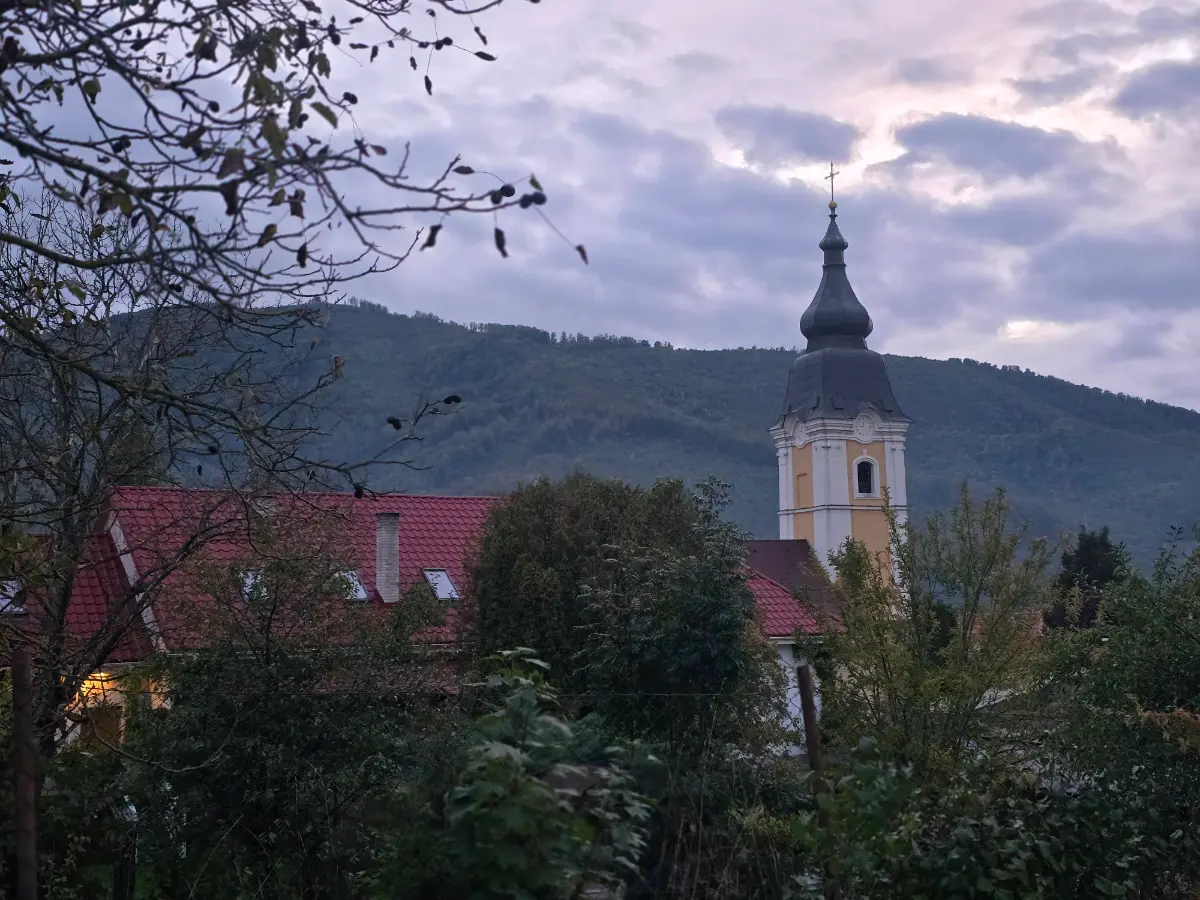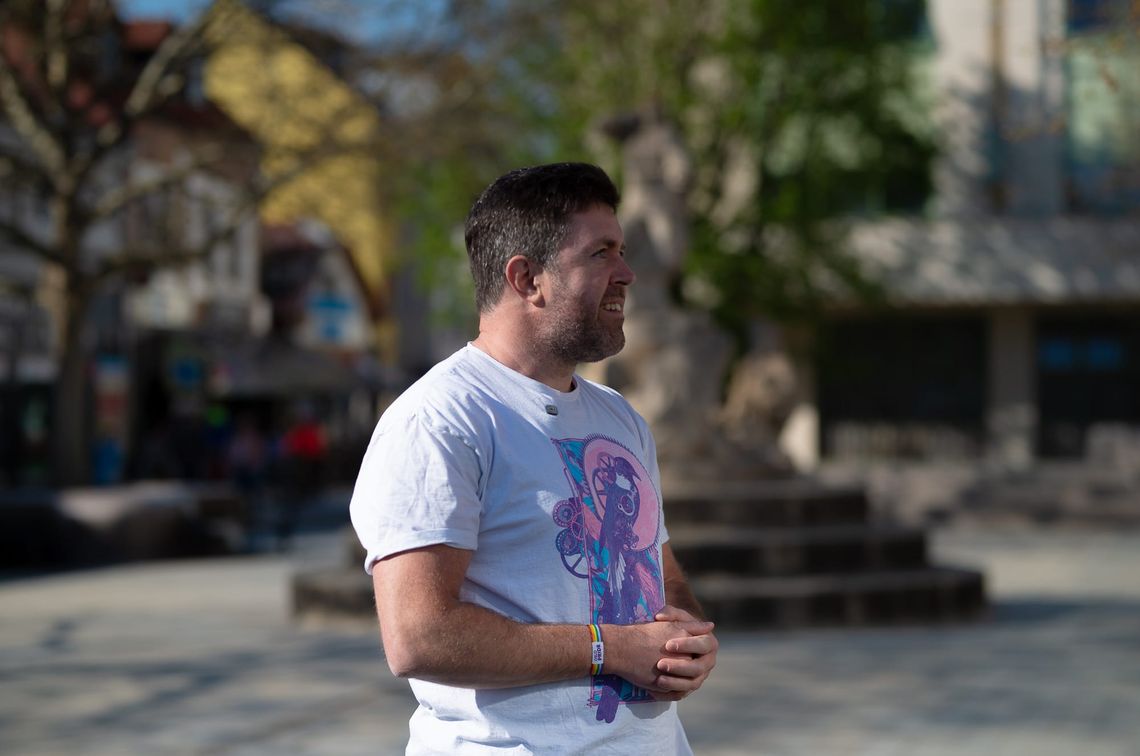
The story behind the podcast
Life is short, the world is scary, and we don't know what the future will bring. So why not take a chance on something you believe is important and that you might actually be good at?
That, in a nutshell, was the reasoning behind my decision to quit my job and become a full-time podcaster in the winter of 2025.
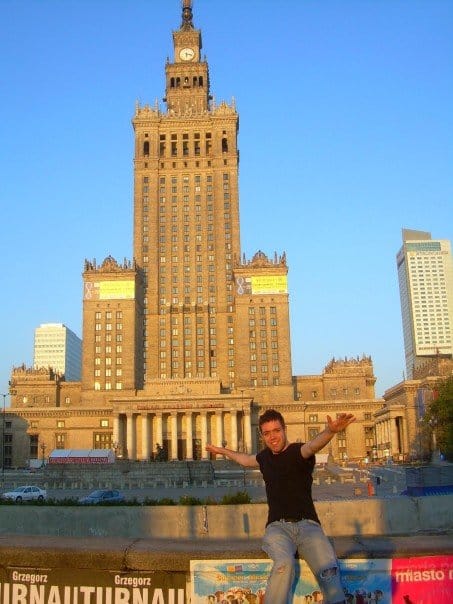
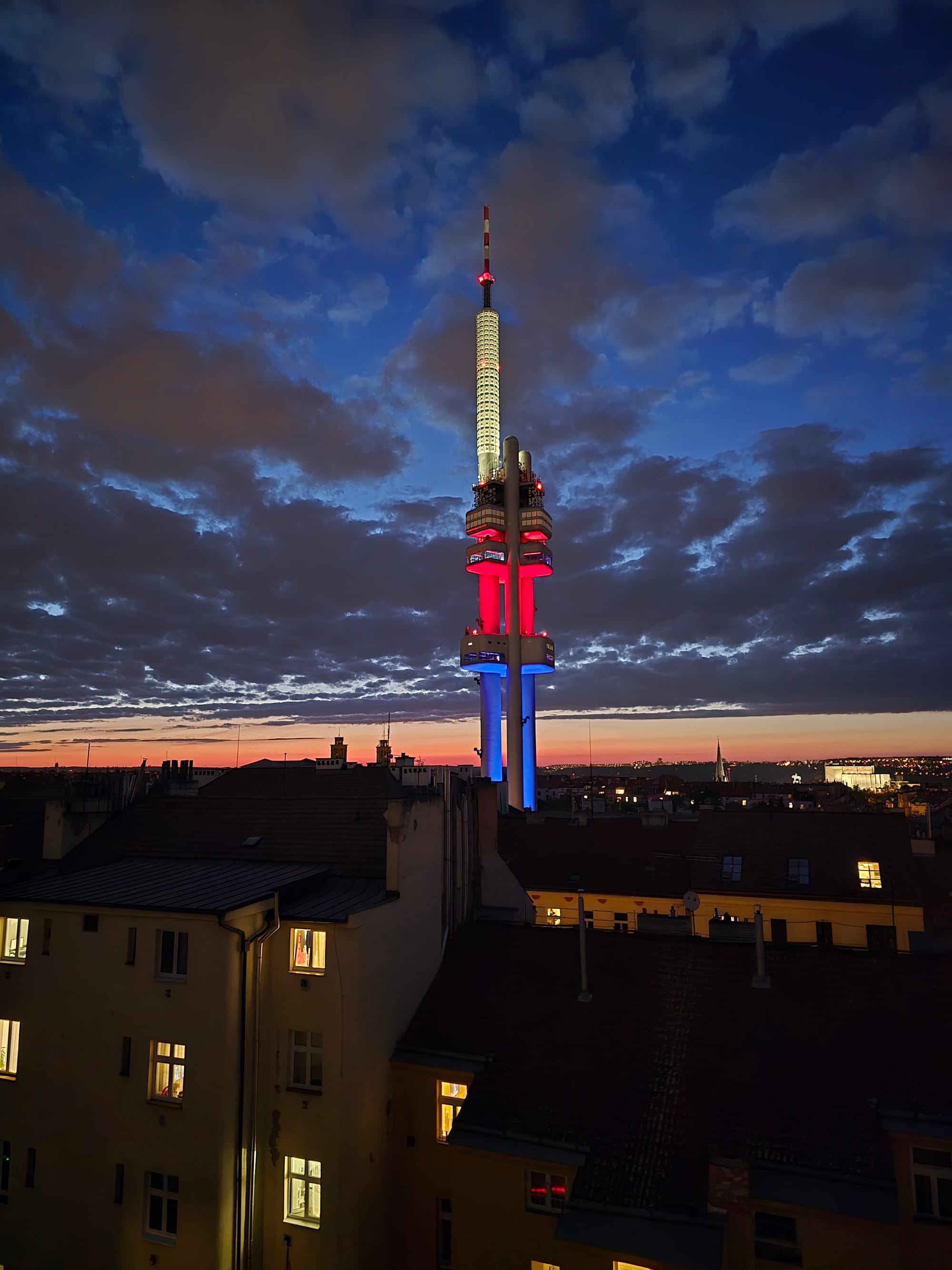
I grew up in a small town in New Jersey, just outside Philadelphia. According to my parents, I had always been interested in geography, languages and the big, wide world. During spring break while a first-year student at Brown, I made what turned out to be a fateful trip with my then-boyfriend to Krakow and Prague. By the time I graduated college, I had spent time living in both cities, learning to speak and understand Polish and Czech. My love affair with Central Europe had begun.
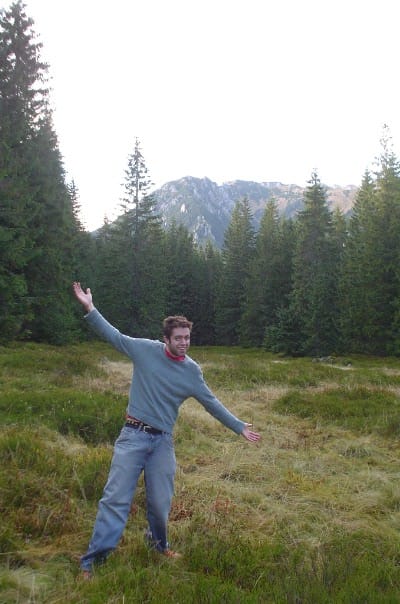
Fast forward to last year. I have been living in Norway - mostly in Oslo, and for the past four years on a beautiful peninsula called Nesodden overlooking the Oslo fjord. I am happily married to Andreas, a Norwegian, and happy to be living in a mostly peaceful country that scores highly on basically all quality-of-life indicators. But all around me, elsewhere in Europe and in my native US, politics are growing more poisonous. Russia is undertaking an illegal invasion of Ukraine. Israel is turning the screws on Palestinian life in Gaza and the West Bank. Nihilism seems to be winning. Democracy and our way of life, increasingly, hangs in the balance.
Early last year, I made the hard decision to leave my secure job doing research communications and social media management at a university in Oslo because I felt like I needed to be in the fight. I wanted to finally use my regional expertise in my career — I have a BA from Brown and an MA from Harvard in the politics, history and languages of Central Europe. I felt like I had more to contribute professionally and personally, and Central Europe Matters is my vehicle for trying to make a positive impact on the world.
The countries of Central Europe — a loose grouping of countries located between Russia and Germany, and which for the purposes of my podcast include Poland, Czech Republic, Slovakia and Hungary — are little known or understood outside the region itself. Yet these countries and the people living in them have much to teach us. In the twentieth century, they endured two totalitarian regimes, one fascist, the other communist. In the 21st century, they have spawned far-right populist politics that have influenced politics further west in Europe and beyond.
The Central European countries are fascinating case studies in democratic transition, but also democratic backsliding. They have grown richer since joining the European Union in 2004, yet many of their citizens are angry, scared and looking for someone to blame. This is a complex region with much more to it than meets the eye. The people living here are not their governments, and they will not hesitate to tell you as much.
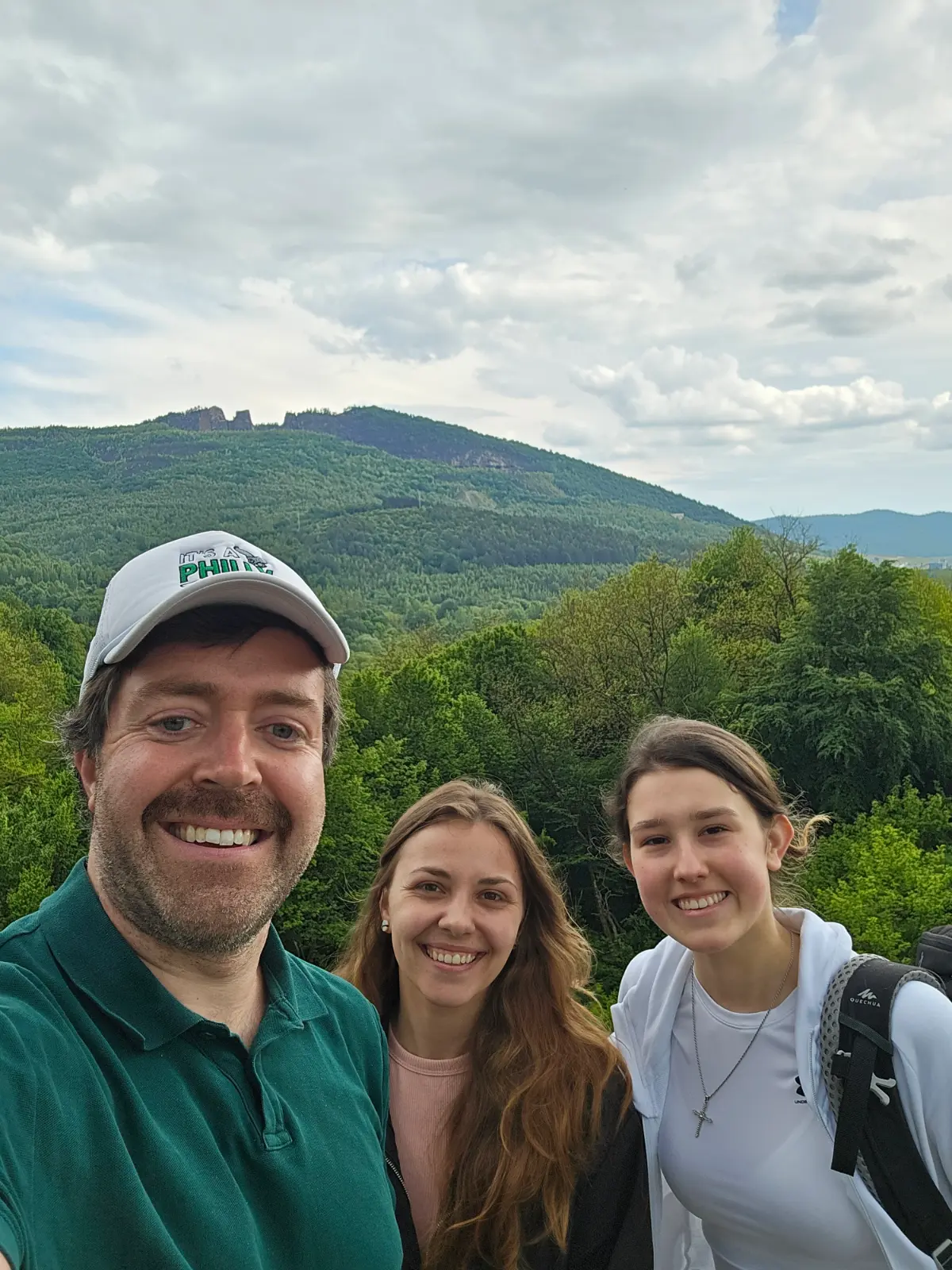
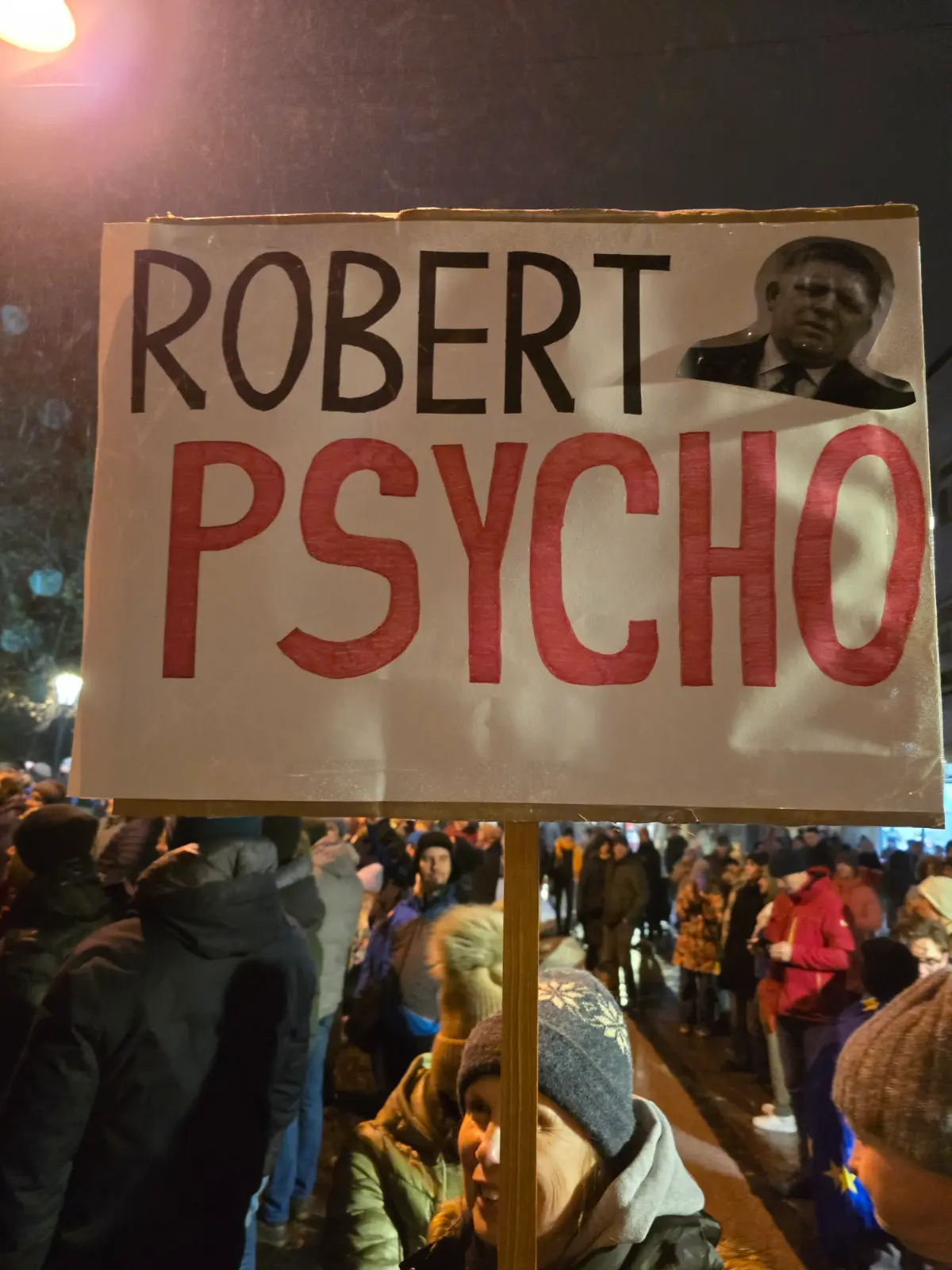
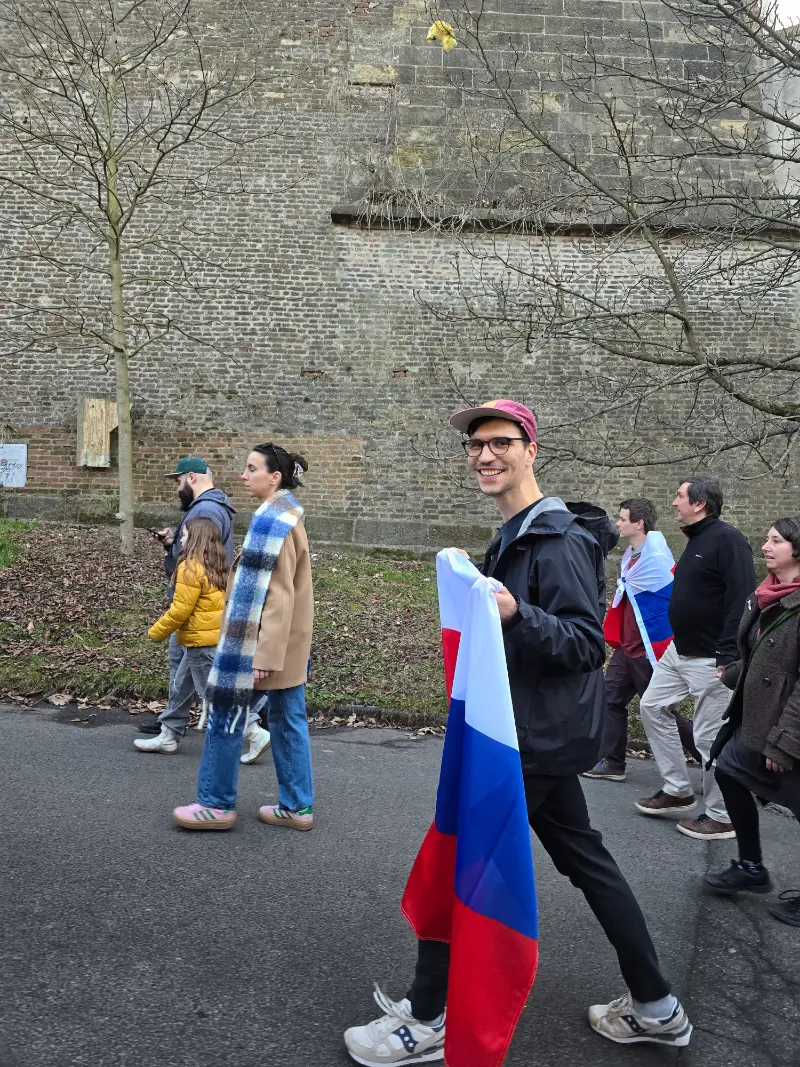
In preparing for the podcast, I have met many dozens of people and interviewed more than 40. We have spoken English, Polish, and "Czechoslovak" — they speak Slovak, and I speak Czech, since the two languages are extremely closely related. While doing this work, I found myself developing a values proposition for the podcast. I think it's important in my role as podcast host and guide to Central Europe to be transparent about the values that guide my work. Here they are:
- Let the people you meet tell you what it is important. Go into your conversations and meetings with an open mind.
- Democracy is a good thing. It is not perfect, but it is better than the alternatives.
- It is up to us – the people – to hold power and the powerful accountable. No one will do it for us.
- Treat others as you would like to be treated.
- Truth and love are stronger than fear and hate, even if it doesn't always feel that way.
- To understand a society, you need to spend time outside the big cities (but also in the big cities).
So that, in a few paragraphs, is why I am doing this work. I am rejecting nihilism and trying to overcome cynicism, in favor of hope and action. Connecting listeners from around the world to Central Europe, this crucible of populism and reactionary politics, but also strong dissident and local organizing traditions, is my small contribution to making us all more informed, and maybe even making this world a slightly better place.
I hope you'll join me on this journey. See you this summer for season 1, Slovakia: Democracy under Attack.