Season 1: Slovakia – Democracy under attack
The first five episodes, plus a bonus episode, are now available wherever you listen to podcasts, or by scrolling to the bottom of this page. Happy listening and let me know what you think of the pod!
I began traveling to Slovakia in early 2025. This small, Central European country of Baroque town squares, crumbling castles, communist-era tower blocks and mountains as far as the eye can see bewitched me from my very first visit.
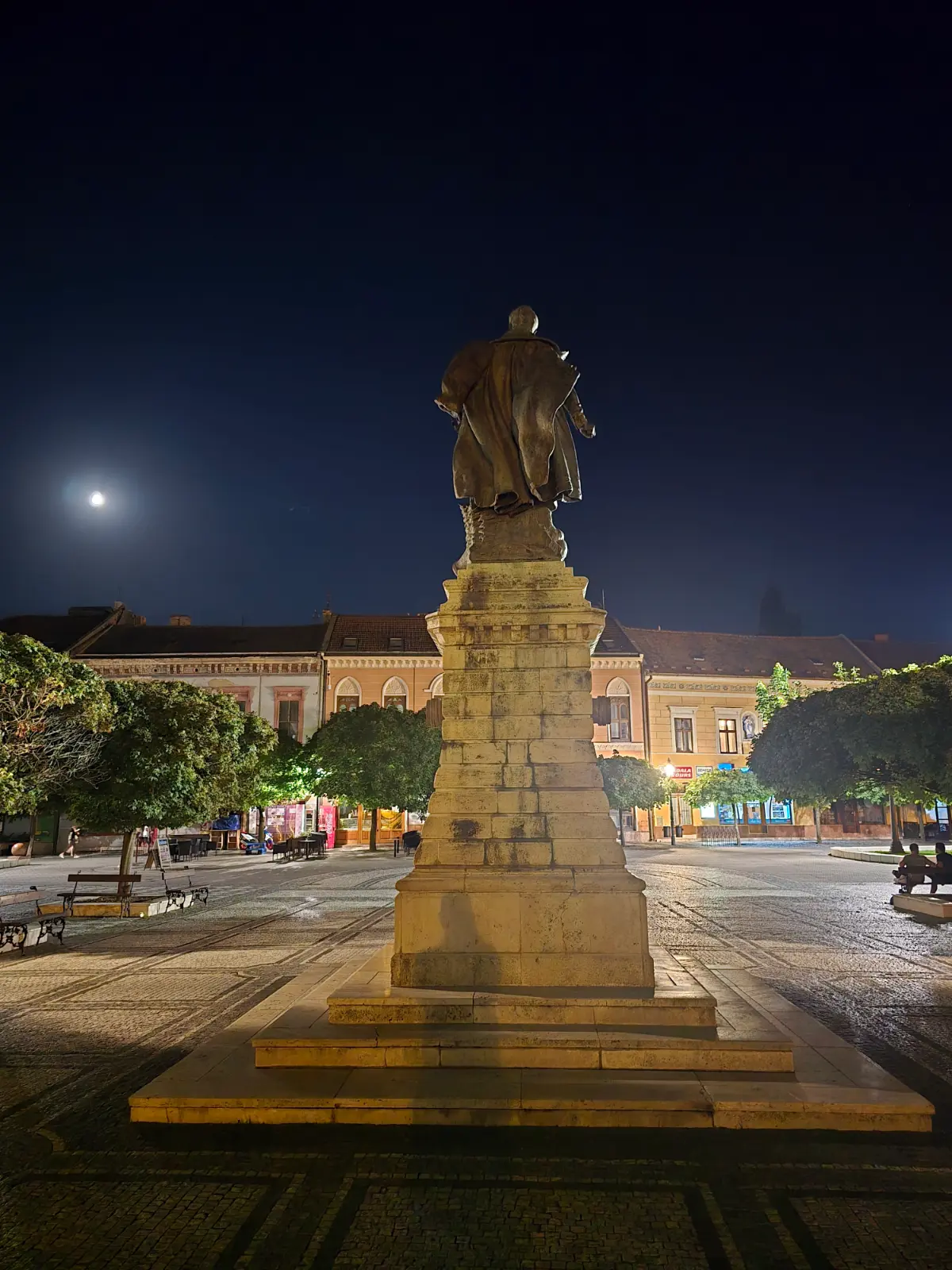
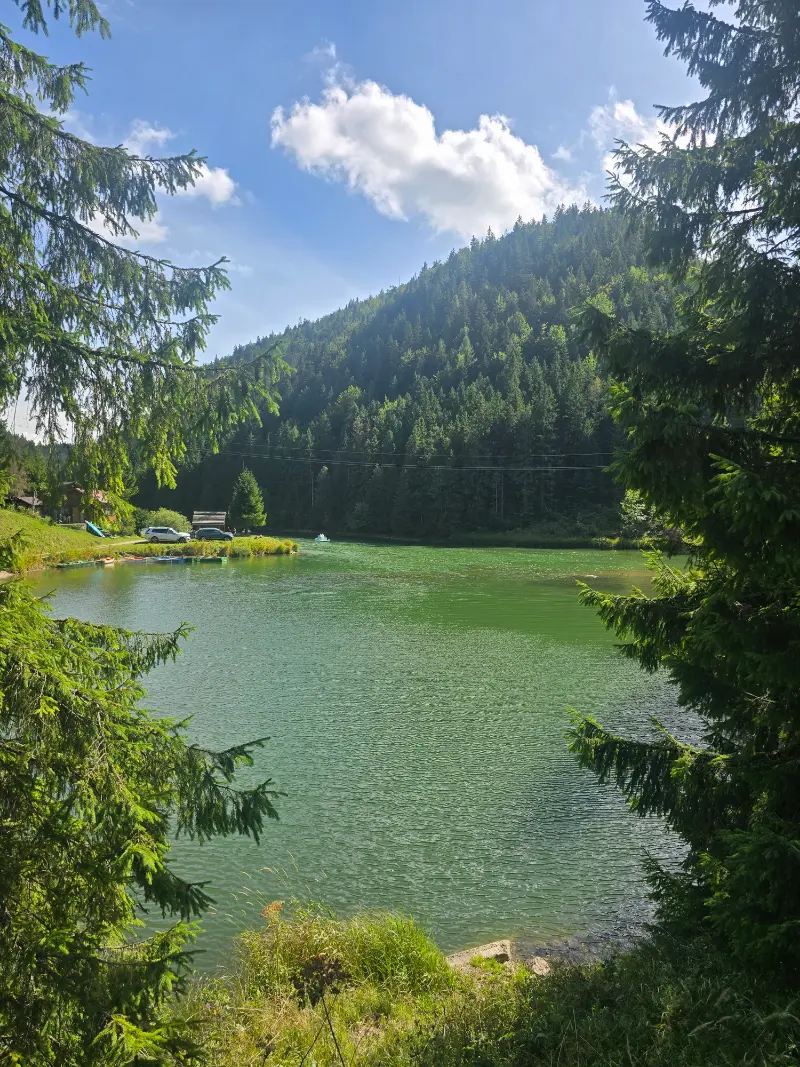
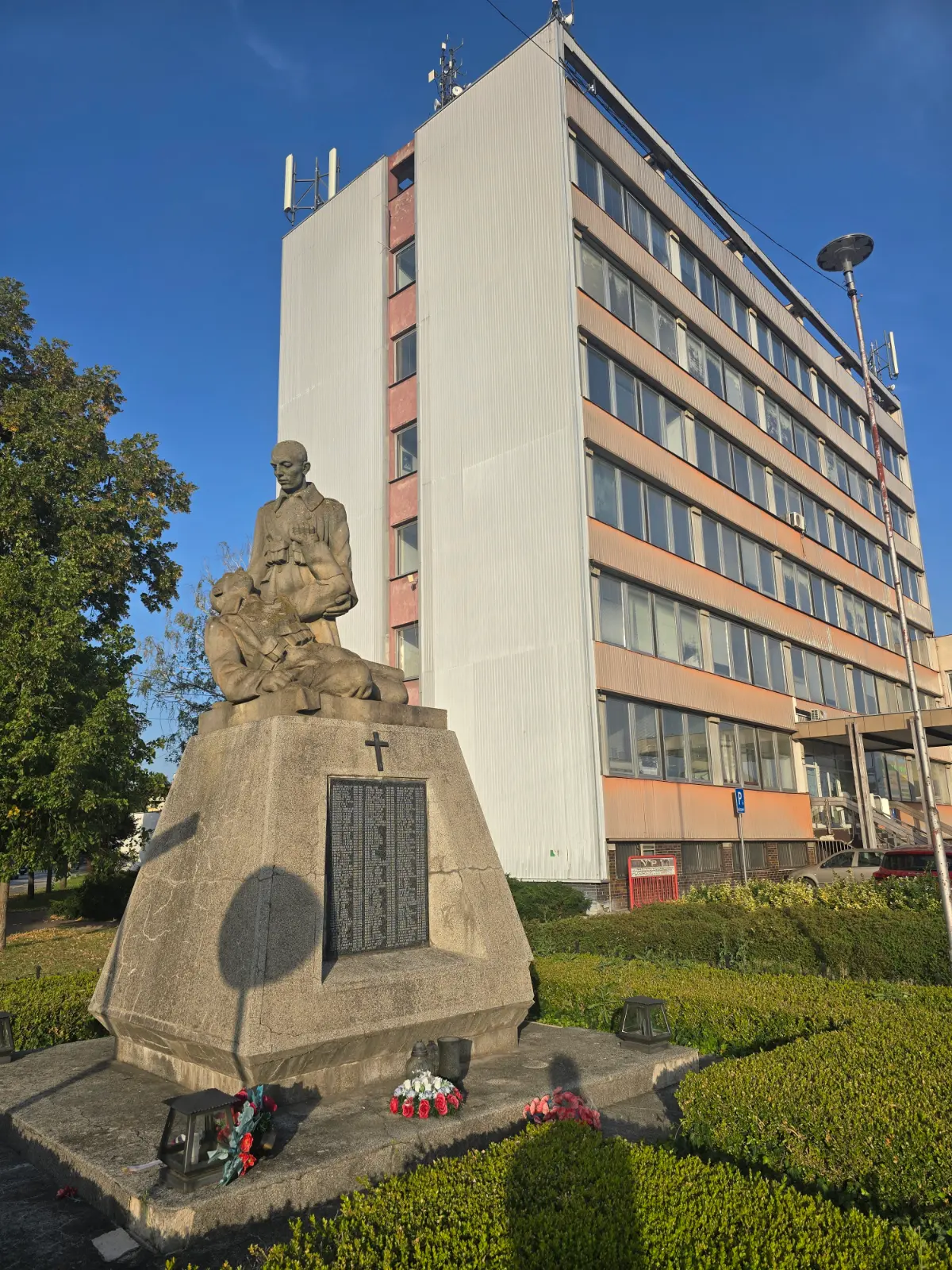
Yet I quickly understood that just below the surface lurked deep conflicts over national identity, geopolitical orientation, and the very soul of the country.
The current government — supported by a pliant, ideologically sympathetic president - seeks to restore "common sense" and "traditional" Slovak values against the supposed progressive lobby emanating from Brussels. Prime Minister Robert Fico, who has governed the country for 16 of the past 20 years, has made repeated visits to Moscow and Vladimir Putin, as part of his Four Corners foreign policy, which he claims serves Slovak interests at a time when, he claims, the survival of the European Union is in question.
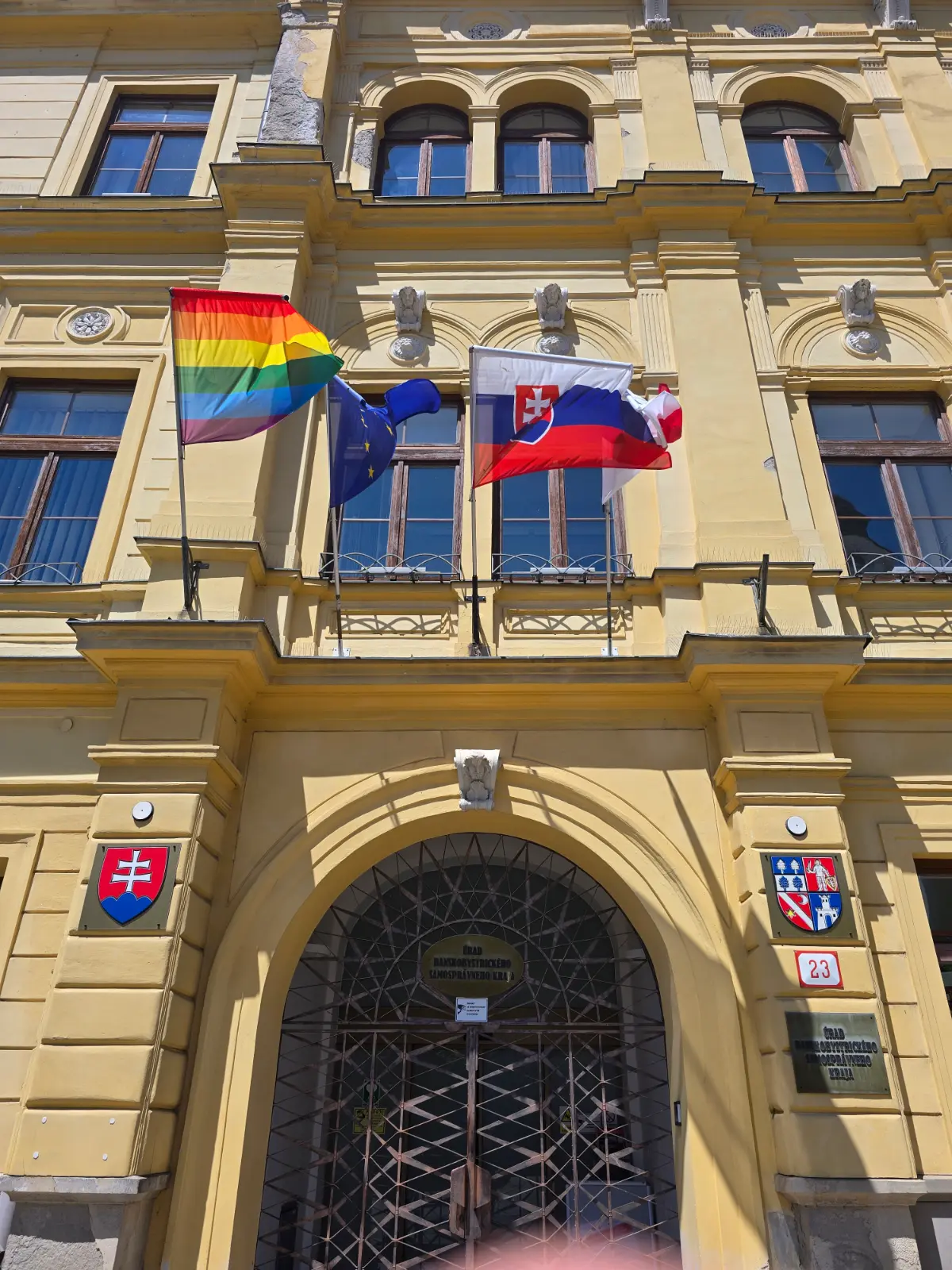
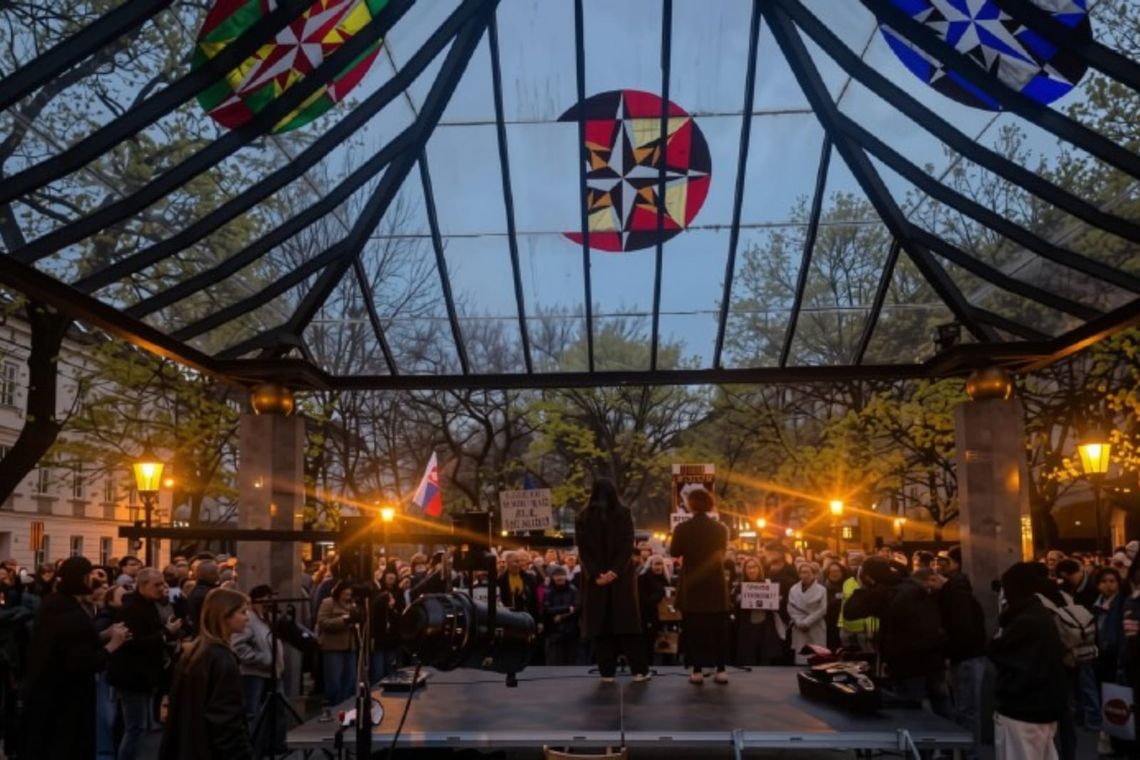
Yet Fico's vision of Slovakia and the world is by no means hegemonic. The main squares of Slovakia's towns and cities fill regularly with angry, determined citizens waving signs calling their PM a collaborator and a traitor. EU and Pride flags are common sights at these protests, as they are in the windows of businesses and apartments around the country. Independent journalists and NGOs continue to hold Fico and his corrupt government accountable, braving attacks on their work and threats to their personal safety. Many, many Slovaks do not feel represented by their current political regime and while they are scared about their country's future, they are not keeping quiet about it.
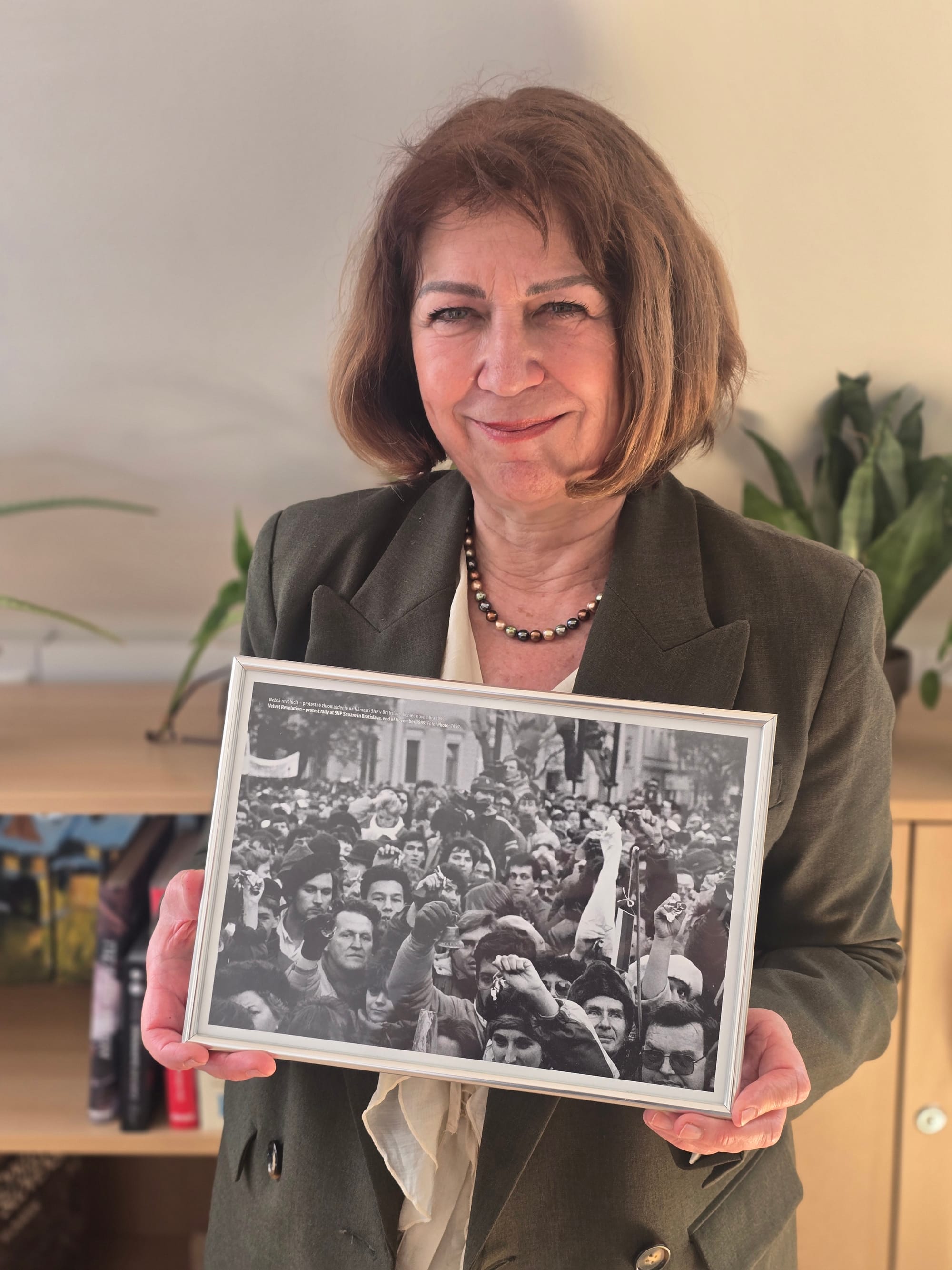
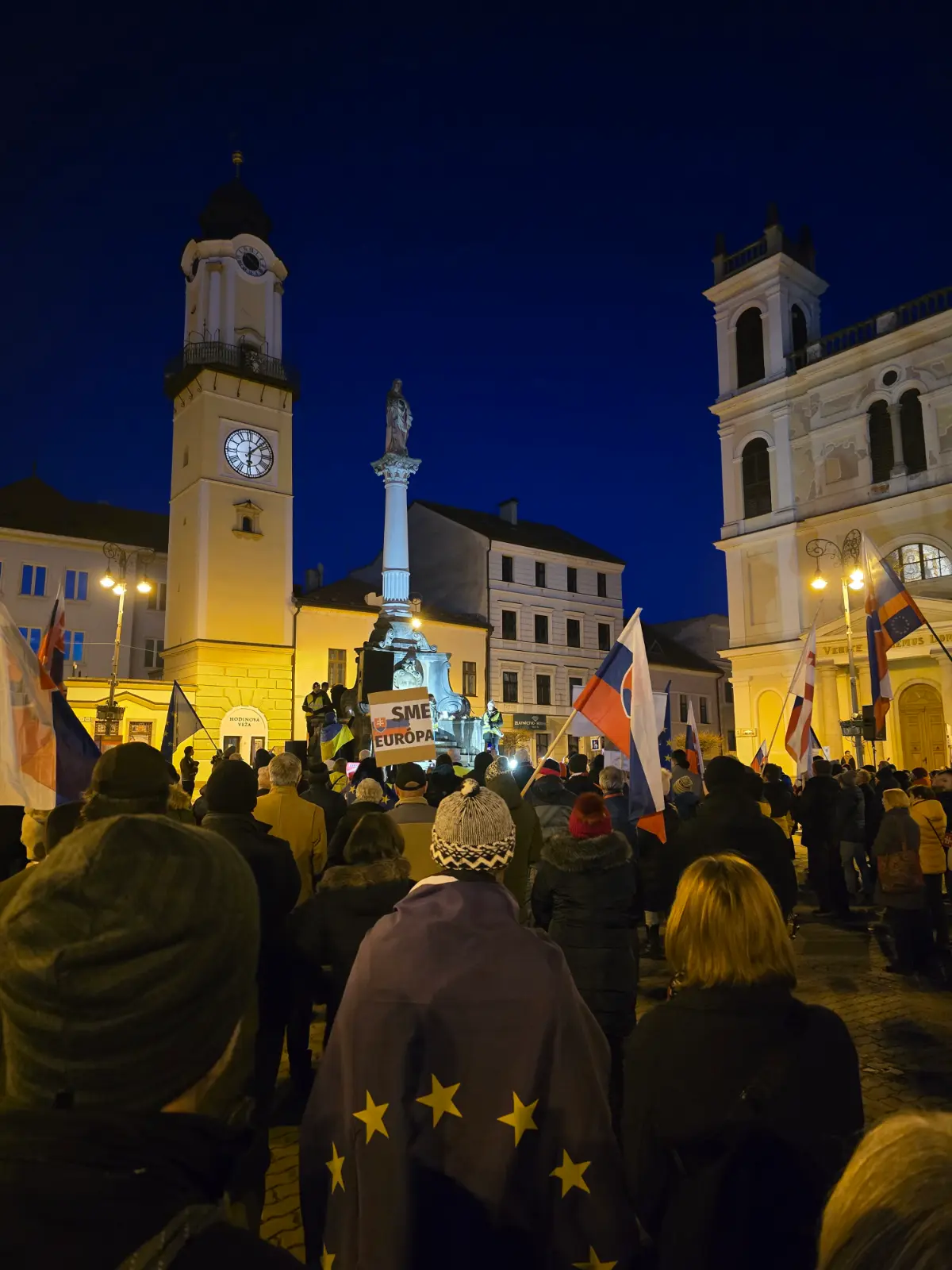
I chose to focus on Slovakia in the first season of my forthcoming podcast Central Europe Matters because it is in this small, post-Communist country on the eastern frontier of the EU that some of the vital battles of our time are currently being waged. Will democracy survive a rising tide of far-right populism and authoritarianism? Can regular citizens hold their leaders accountable for their theft of taxpayer money and European Union funds? Will truth prevail over disinformation and lies?
Slovakia, I have come to understand over the 16 months I have been studying and spending time in the country, is at the vanguard of these battles over our collective future. And while the stakes are high and the worst outcomes almost too depressing to contemplate, the time I have spent meeting Slovaks engaged in the hard work of strengthening democracy — whether as community activists, journalists, critical researchers, NGO professionals, or in the cultural field - has changed the way I understand what is happening in our world today.
Even in a society where reactionary forces control the political system, regular people are standing up for their values and their vision of the good society. I am deeply impressed by the Slovaks I have met doing this vital work of defending their democracy. I can't wait to introduce them to you in the upcoming season of the podcast — I know they will leave a deep impression on you too.
Season 1 is being produced and mastered by Dávid Pál and executive produced and hosted by me, Jeff Lugowe.